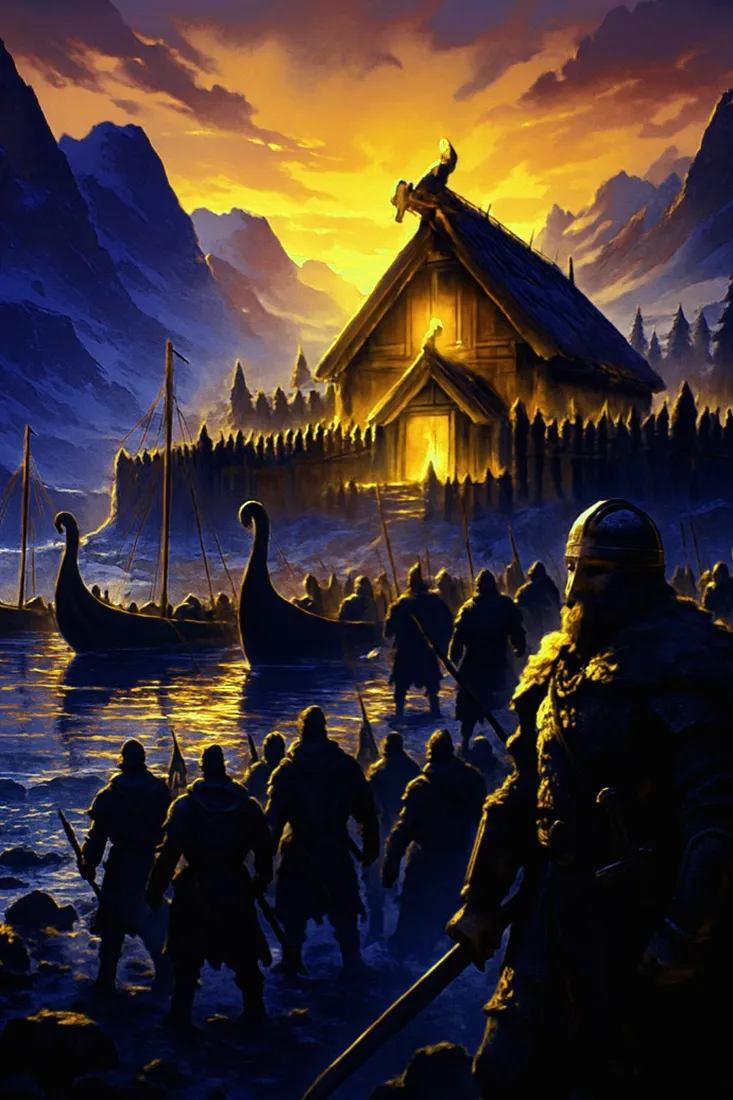
KingsAge begins with almost nothing: a small castle, a couple of acres of land and a handful of loyal settlers. There is no cinematic intro and no swooping camera. Instead, you get a clean page of buildings, resources and options, and the quiet expectation that you will read it. For a certain kind of strategy player, that is the most appealing opening imaginable.
Gameforge has kept this classic running for a long time, and it shows in the game’s confident simplicity. It plays entirely in a browser with no download, and it is light enough to run on almost anything. We played a fresh account for several weeks on a live world, joined an alliance and found a calm, considered strategy game that asks for planning rather than reflexes.
Sawmills, quarries and a warehouse full of plans
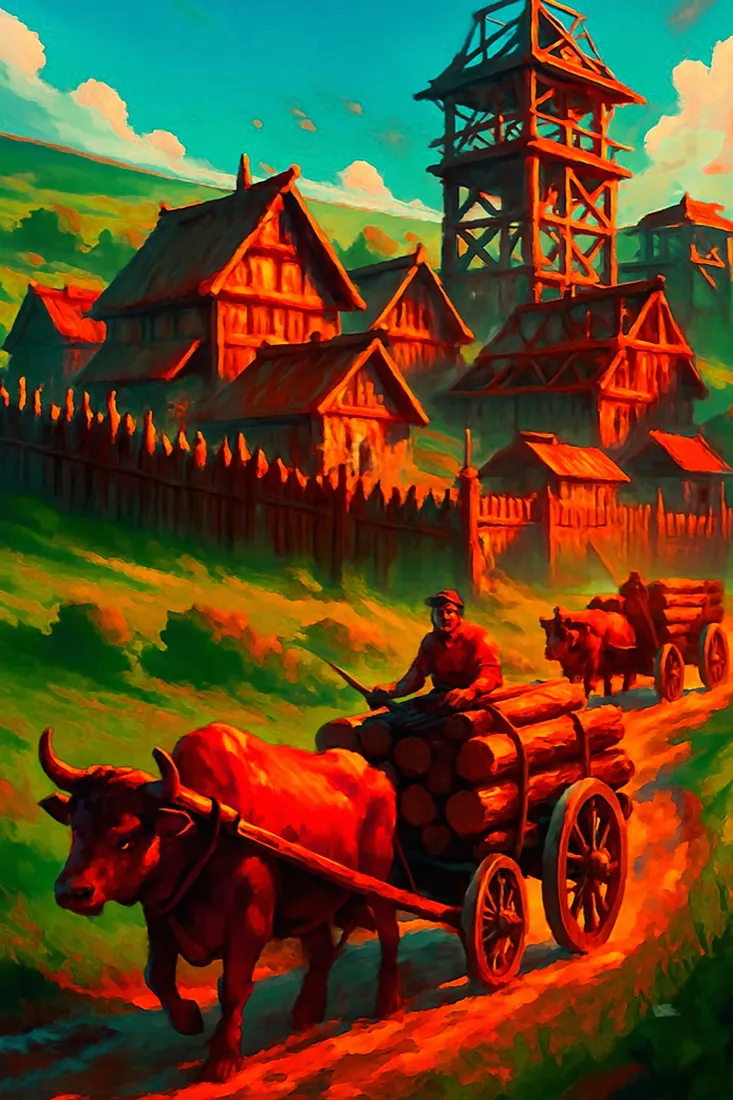
The economy starts with sawmills and stone quarries feeding a warehouse, and growing your castle means balancing production, storage and population. It sounds simple, and in the first hours it is, but the decisions compound. Overbuild production without storage and resources go to waste; overbuild storage without defence and you become an attractive target for neighbours who have done their sums.
The interface is largely text and numbers, with pictures acting as decoration rather than the main event. Some players will find that dry. We found it refreshing, especially on weekday evenings when a quick read of the castle overview told us everything we needed to know. It also means the game runs comfortably on an old laptop or a busy browser with a dozen other tabs open.
Archers, knights and siege equipment
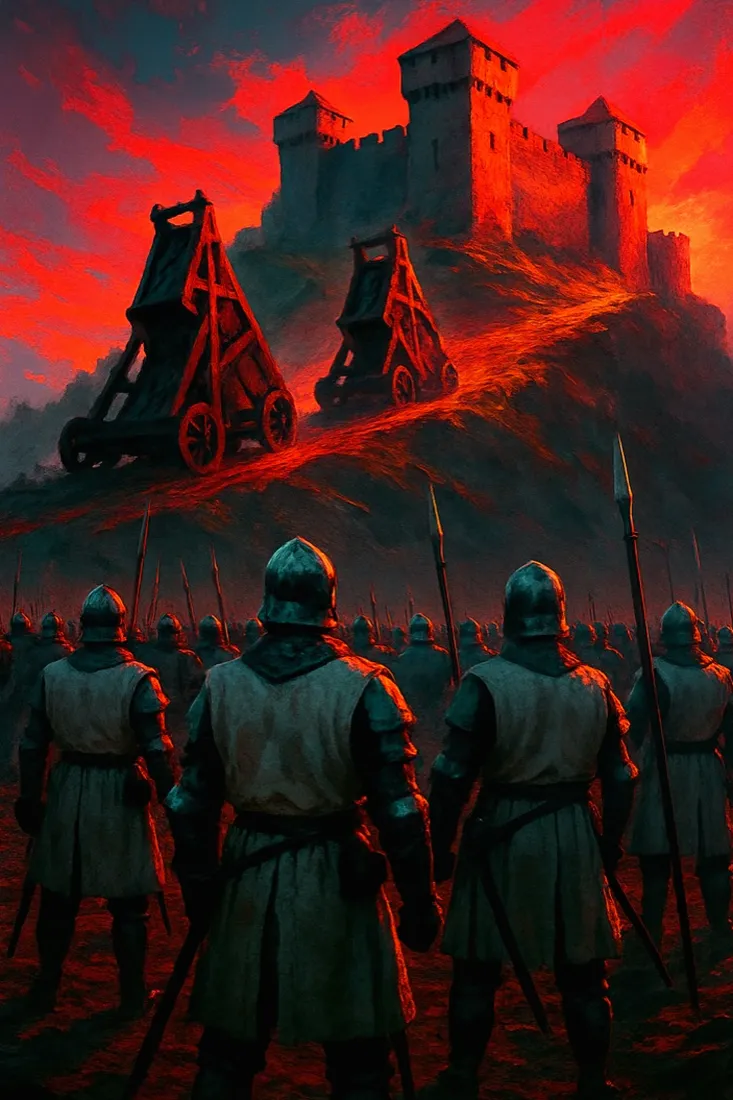
When it comes to war, KingsAge asks you to train medieval units such as archers and knights, build efficient siege equipment and use it tactically. The military side rewards preparation: knowing what a target holds, picking the right mix and timing the march sensibly. Battles are resolved in reports rather than animations, so the satisfaction comes from a plan working rather than a show.
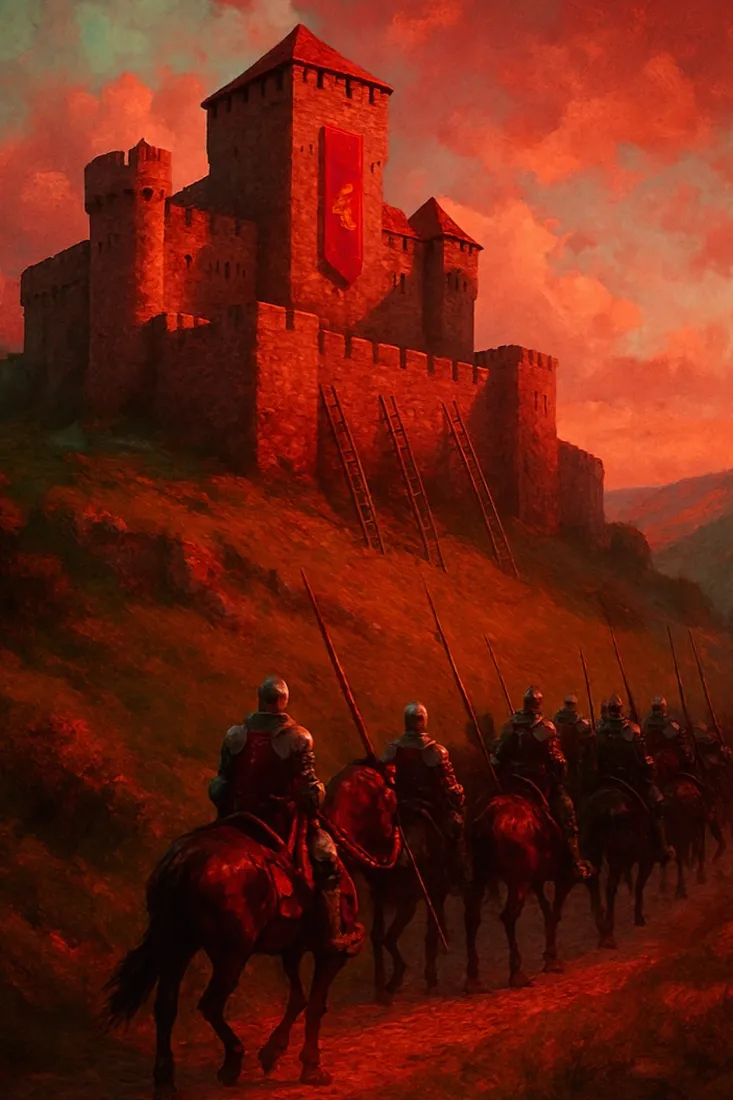
Expansion happens castle by castle, and the official description puts it well: your battlefronts shift and your kingdom grows with every castle you conquer. Discovering new land with your followers and turning it into counties gives the map a sense of ownership. Our own small realm grew slowly but deliberately, and each new castle felt like a meaningful step rather than a routine upgrade.
Merchant, diplomat or alliance minister
One of KingsAge’s most distinctive ideas is that you can choose how to play: defensively or aggressively, and in roles such as a cunning merchant, a careful diplomat or an alliance minister. Building a marketplace to draw merchants from distant lands is a legitimate path to strength, and so is focusing on knights and archers. The game respects both, which is rarer than it should be.
That freedom makes KingsAge unusually friendly to players who do not enjoy constant conflict. We spent a stretch of our playtime as a trading castle, supplying allies rather than leading attacks, and it felt like a genuine role rather than a lesser one. The game’s warning is fair, though: fall too far behind in any one area and neighbours will notice.
Alliances against barbarians and rivals
Alliances are the heart of KingsAge’s endgame. Together, members can drive barbarians away from occupied castles and launch attacks on rival alliances, and the game makes clear that success is only guaranteed with allies. Our alliance was smaller and quieter than those in the big Plarium games, but more deliberate, with members discussing plans over days rather than minutes.
The quieter pace extends to the shop. KingsAge is free to play, and while optional extras exist, they intruded on our sessions far less than in the modern MMOs on this shelf. That is why it earns our highest fairness score. Patience and planning genuinely carry a free player a long way here, especially inside an alliance that values steady contributors.
KingsAge: the first week at court
- Read the castle overview carefully and balance sawmills, quarries and warehouse capacity from the start.
- Decide early whether you lean toward trade, diplomacy or military, and build toward that role.
- Train a small defensive force before your storage fills, so neighbours see little reason to attack.
- Scout potential targets and nearby barbarian-held castles before committing knights or siege equipment.
- Join an alliance that discusses plans openly and ask how it coordinates against rivals.
What we love
- Light, text-led interface runs on almost any machine in seconds.
- Trade and diplomacy are genuine paths, not consolation roles.
- Shop stays in the background far more than in modern rivals.
- Calm pace suits players with busy weeks and quiet evenings.
What grates
- Visuals are minimal, which will feel dry to newcomers.
- Explains less up front than the more modern games here.
- Alliances are smaller and quieter, with fewer large-scale events.
The jarl KingsAge rewards
Players who enjoy numbers, reports and a calm pace, and those who would rather be a merchant or diplomat than a constant raider. If you like reading a castle overview with a mug of tea on a snowy evening, KingsAge feels like home.
KingsAge: the saga's end
KingsAge is a quiet classic that has aged with dignity. It lacks the spectacle and the big clan drama of the newer games, but its lean design, its genuine choice of roles and its restrained shop make it the fairest realm on our shelf. Give it a few evenings of reading and planning, and it rewards you with a castle that feels truly earned.