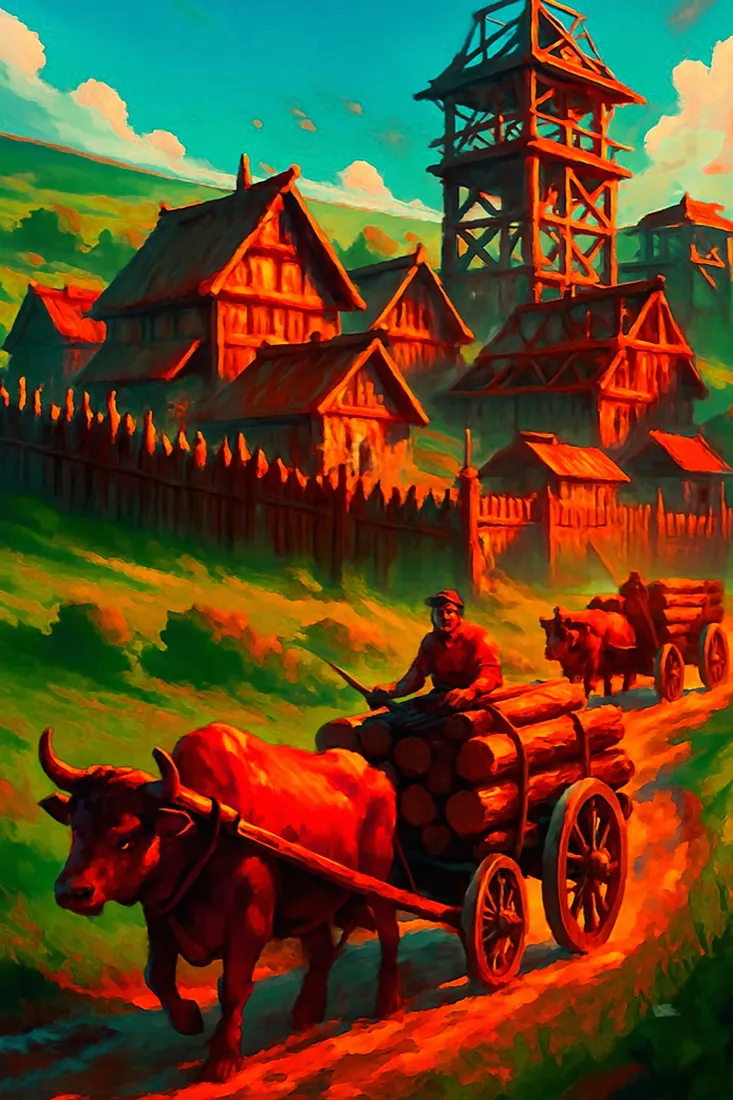
Imperia Online opens with a modest promise: found a village, raise an empire. What follows is one of the deepest economic simulations available in a browser tab. The game runs in real time, so your mines, sawmills and quarries keep producing while you are at work, asleep or shovelling snow off the driveway, and your decisions about what to build next echo for weeks.
We played a fresh account on a live realm for several weeks and came away impressed by the breadth of the systems and the clarity with which they interlock. This is not a game of quick thrills. It is a game of treasuries, research and careful expansion, punctuated by battles that feel heavy because so much economic effort went into the armies that fight them.
Wood, iron, stone and the weight of gold
Wood, iron and stone come from resource buildings, while gold arrives through taxes and the marketplace. That split is important: gold behaves differently from the raw materials, and learning to balance the population that pays your taxes against the buildings that demand upkeep is the first real lesson the game teaches. Get it wrong and your treasury quietly drains; get it right and expansion becomes a steady drumbeat.
Beyond the core four, special resources scattered across the map provide bonuses to production and military strength, which gives expansion a strategic flavour. You are not just grabbing land; you are grabbing particular land for particular reasons. Our empire grew more efficiently once we started reading the map for those bonuses rather than expanding toward whichever village was closest.
Universities, provinces and a capital that matters
The capital is where the serious buildings live, from economic structures to military ones, and universities are where research happens. Technologies improve production, military strength and much else, and the research tree is broad enough that two players can build very different empires from the same start. We found ourselves planning research several days ahead, which is exactly the kind of engagement a long campaign needs.
Expansion happens through provinces annexed to your capital. Provinces cannot host every structure your capital can, so the game nudges you to think about specialization: which province feeds the treasury, which guards the frontier, which simply supplies raw materials. Watching a scattered set of villages become a coherent empire is the most satisfying arc we experienced on this shelf.
Field battles, fortress sieges and pillage
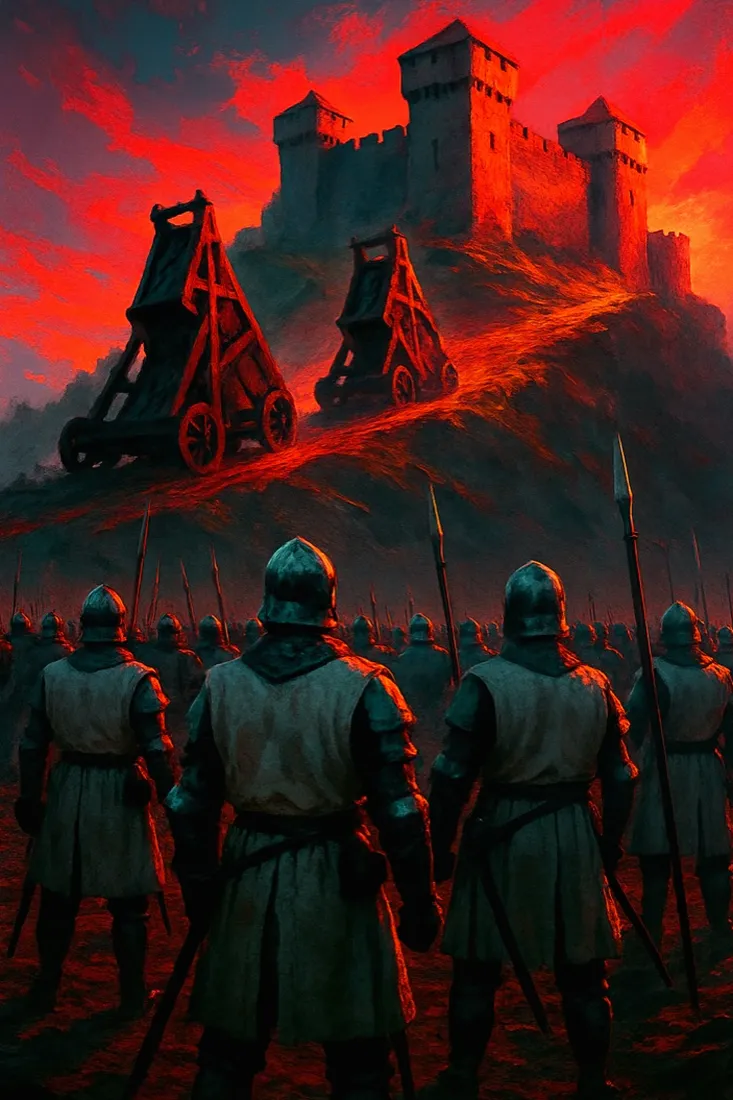
Imperia Online distinguishes between kinds of attack, and that distinction makes war more thoughtful than in many rivals. A field battle pits armies against each other in the open. A fortress siege targets a stronghold and its stored resources. Pillage goes after the civilian population for gold. Each has its own purpose, and choosing the right one for a given target is half the fun.
The army is built from swordsmen, spearmen, archers, cavalry and siege engines, a compact roster that leaves room for meaningful choices about composition. Siege engines in particular feel weighty, because bringing them means committing to a slower, more deliberate campaign against a fortified rival. Our sieges were rarely quick, but when they landed they changed the shape of the local map for days.
Alliances, Great People and the realm’s finish line
Alliances pool donated resources into a shared treasury used for research, wars and alliance holdings, which makes membership feel like an investment rather than a badge. Contributions are visible, and steady donors earn respect. Our alliance used its treasury carefully, and watching collective research unlock bonuses for everyone was a satisfying counterpoint to the solo economy of the early game.
Great People add a personal layer: emperors and generals gain experience in two disciplines and carry talents that shape how they serve you. Above it all sits realm victory, where alliances compete for influence or net worth until a fixed end date. Knowing the campaign has a finish line gives every week a sense of purpose that open-ended games sometimes lack.
Imperia Online: the first week at court
- Learn the balance between taxes, population and upkeep before expanding, so the treasury does not quietly drain.
- Keep construction running in your capital and plan university research a few days ahead.
- Scout the map for special resources and choose early provinces for their bonuses, not convenience.
- Use field battles and pillage against weaker neighbours before attempting any fortress siege.
- Join an alliance with an active treasury and donate steadily to earn standing for later wars.
What we love
- The deepest and most coherent economy on our shelf.
- Distinct attack types make each war a deliberate choice.
- Provinces encourage smart specialization across the empire.
- Realm victory dates give long campaigns a clear finish line.
What grates
- Steep early learning curve around gold, taxes and upkeep.
- Battles are slow to arrive for players who want early action.
- Interface packs a lot of numbers into small panels.
The jarl Imperia Online rewards
Builders at heart: players who enjoy spreadsheets, research trees and the slow satisfaction of a balanced treasury. If you would rather plan an empire for a month than fight a skirmish tonight, Imperia Online fits. Players seeking a lively clan chat first should start elsewhere.
Imperia Online: the saga's end
Imperia Online is the most rewarding economy on our shelf and a serious long-campaign strategy game. It asks you to learn its treasury before it lets you enjoy its wars, but once the systems click, every siege, province and research choice feels connected. For patient emperors with a winter of evenings ahead, it is hard to beat.